I love Tom Hanks. I’ve always loved Tom Hanks. I loved Before Tom Hanks. And I love After Tom Hanks. Now, some of you are probably saying, “Froggie, there is only one Tom Hanks.”
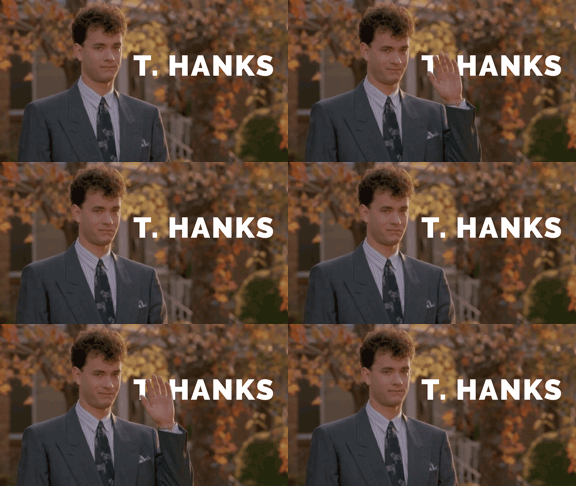
Ah, so young.
You see, when I was a youth Tom Hanks was seen very differently. He was that cross-dressing guy. Eventually he did Splash and The Money Pit and he was that Generic Comedy Movie Guy. You liked him, but unless his movies were on cable you kinda forgot about him. Then he did Big and everybody flinched for a moment. It was a special movie and there were signs there was more to Tom Hanks than meets the eye. But then he did Turner & Hooch and everybody went back to seeing Tom as that Generic Comedy Movie Guy.
He was like cotton candy. Sweet, enjoyable, but not a lot of substance. Empty calories from an occasional treat.
Then there was Joe vs the Volcano. I actually went to see this in the theater.
It was… somethin’.
Some people were ready to put Tom out to pasture. His relevance as a comedy star was fading. His leading man abilities came into question. Tom was always very humble so he was like, “No big deal. I’ll be a character actor. I’ll just do supporting roles.”
So he did A League of Their Own. He said, “There’s no crying in baseball!” and stole the movie. People changed their damn minds again. “He should be the star of a movie!” And I was like, “He was! …a bunch of times!”
In comes Sleepless in Seattle. For better or worse, he helped birth a new age of Romantic Comedies. Mothers everywhere thought he was adorable. He was a bonafide star again and could call his own shots. But I’m not sure Tom really wanted to be Romantic Comedy Guy after being Generic Comedy Movie Guy.
So he went a different direction. Thus began… After Tom Hanks.
Tom’s next film was not a comedy. Not even a little bit. He played a gay man. Who had AIDs. And was dying. While fighting off homophobes with The Law. And his costar was dramatic heavyweight Denzel Washington. Tom was so committed that he lost a ton of weight to look sick. It was a heartbreaking movie with a beautiful performance.
Before Philidelphia was released people were a bit confused. They were like, “Huh? Tom Hanks? He’s that cross dressing, mermaid loving, comedy guy who did a buddy cop movie with a dog named Hooch. What’s going on here?”
And then the movie came out and pretty much everyone who saw it was like, “Holy shit. Where did that come from?”
It turns out Tom Hanks could act. I mean, he could act. For the longest time people saw his goofy face and curly hair and didn’t really test his range. He didn’t belong in a movie fighting a volcano. People had been selling him short for years. But he never complained. He was always just happy to be working. He just waited patiently and when he saw a shot, he took it.
Tom went off to the races. Forest Gump confirmed it. It wasn’t luck. Tom could definitely act like the dickens. Then came Apollo 13. Houston we have an actor.
He did Toy Story and was like, “How about I kick start a revolutionary new form or movie-making?” DONE.
Then he was like, “I want to be an action hero, but with feeeelings.” Saving Private Ryan. DONE.
Then he was like, “Those romantic comedy moms were so nice to me and kinda saved my career.” You’ve Got Mail. THANKS MOMS. DONE.
Then Tom got a little crazy. “What if it really hurt when I have to pee?” The Green Mile. DONE.
“I want to act, but I am sick of other people.” Cast Away. DONE.
“I should throw that Leo DiCaprio kid a bone.” Catch Me If You Can. DONE.
[Leo powers up.]
“Accents are fun.” The Terminal. DONE.
“Okay, what if I test out this motion capture technology that isn’t quite ready and demonstrate the greatest example of what the Uncanny Valley is?” The Polar Express. CREEPILY DONE.
“I want… MONEY. Make it rain!” The Da Vinci Code. DONE. FRANCHISE INITIATED.
“Let’s get weird.” Cloud Atlas. CONFUSINGLY DONE.
“Maybe I should go back to just acting good and stuff.” Captain Phillips. DONE.
“I enjoyed being a captain and acting good.” Sully. DONE.
At this point, Tom had DONE it all. But I think a new challenge lies ahead.
Hollywood had a dilemma. Mr. Rogers was the purest being to ever grace this planet. Who is the least scummy person in the industry?
Tom Fucking Hanks.
Ack, sorry Mr. Rogers. That was uncalled for.
Tom Hecking Hanks.
And that brings us to today. Tom Hanks is going to be Mr. Rogers and I really hope it’s amazing because Fred deserves nothing less. And I think he wold approve of Tom telling his story.
I’m not sure I’ve seen another story quite like Tom Hanks. He was so close to becoming a forgotten Generic Comedy Actor Guy. He could have easily become one of those people discussed on “I Love the 80s” where the talking heads are like, “Whatever happened to that guy?”
I’m very glad that didn’t happen. Tom seems like a genuinely good guy. I don’t think I’ve ever heard a story where someone was like, “That Tom Hanks is a real douche.” He still seems to be madly in love with his wife. They’ve been together for 30 years! I wonder if that is some kind of Hollywood record. He’s a good father. A good friend. A great spokesman for WWII vets. And he is always willing to make a fan’s wedding memorable.
He just inspires me to keep trying to be a better me. He inspires me to be a sustainable better me.
And for that I’d like to say…
This was a great TED Talk. Thanks.
For those of you too young to have seen most of his early movies, just…. imagine if Will Ferrell had done Elf and Anchorman and Stepbrothers…. and then in 2009 won Sean Penn’s Oscar for Milk.
Women have more power and agency in Shakespeare’s comedies than in his tragedies, and usually there are more of them with more speaking time, so I’m pretty sure what Shakespeare’s saying is “men ruin everything” because everyone fucking dies when men are in charge but when women are in charge you get married and live happily ever after
I think you’re reading too far into things, kiddo. Take a break from your women’s studies major and get some fresh air.
Right. Well, I’m a historian, so allow me to elaborate.
One of the most important aspects of the Puritan/Protestant revolution (in the 1590’s in particular) was the foregrounding of marriage as the most appropriate way of life. It often comes as a surprise when people learn this, but Puritans took an absolutely positive view of sexuality within the context of marriage. Clergy were encouraged to lead by example and marry and have children, as opposed to Catholic clergy who prized virginity above all else.Through his comedies, Shakespeare was promoting this new way of life which had never been promoted before. The dogma, thanks to the church, had always been “durr hburr women are evil sex is bad celibacy is your ticket to salvation.” All that changed in Shakespeare’s time, and thanks to him we get a view of the world where marriage, women, and sexuality are in fact the key to salvation.
The difference between the structure of a comedy and a tragedy is that the former is cyclical, and the latter a downward curve. Comedies weren’t stupid fun about the lighter side of life. The definition of a comedy was not a funny play. They were plays that began in turmoil and ended in reconciliation and renewal. They showed the audience the path to salvation, with the comic ending of a happy marriage leaving the promise of societal regeneration intact. Meanwhile, in the tragedies, there is no such promise of regeneration or salvation. The characters destroy themselves. The world in which they live is not sustainable. It leads to a dead end, with no promise of new life.
And so, in comedies, the women are the movers and shakers. They get things done. They move the machinery of the plot along. In tragedies, though women have an important part to play, they are often morally bankrupt as compared to the women of comedies, or if they are morally sound, they are disenfranchised and ignored, and refused the chance to contribute to the society in which they live. Let’s look at some examples.
In Romeo and Juliet, the play ends in tragedy because no-one listens to Juliet. Her father and Paris both insist they know what’s right for her, and they refuse to listen to her pleas for clemency. Juliet begs them – screams, cries, manipulates, tells them outright I cannot marry, just wait a week before you make me marry Paris, just a week, please and they ignore her, and force her into increasingly desperate straits, until at last the two young lovers kill themselves. The message? This violent, hate-filled patriarchal world is unsustainable. The promise of regeneration is cut down with the deaths of these children. Compare to Othello. This is the most horrifying and intimate tragedy of all, with the climax taking place in a bedroom as a husband smothers his young wife. The tragedy here could easily have been averted if Othello had listened to Desdemona and Emilia instead of Iago. The message? This society, built on racism and misogyny and martial, masculine honour, is unsustainable, and cannot regenerate itself. The very horror of it lies in the murder of two wives.
How about Hamlet? Ophelia is a disempowered character, but if Hamlet had listened to her, and not mistreated her, and if her father hadn’t controlled every aspect of her life, then perhaps she wouldn’t have committed suicide. The final scene of carnage is prompted by Laertes and Hamlet furiously grappling over her corpse. When Ophelia dies, any chance of reconciliation dies with her. The world collapses in on itself. This society is unsustainable. King Lear – we all know that this is prompted by Cordelia’s silence, her unwillingness to bend the knee and flatter in the face of tyranny. It is Lear’s disproportionate response to this that sets off the tragedy, and we get a play that is about entropy, aging and the destruction of the social order.
There are exceptions to the rule. I’m sure a lot of you are crying out “but Lady Macbeth!” and it’s a good point. However, in terms of raw power, neither Lady Macbeth nor the witches are as powerful as they appear. The only power they possess is the ability to influence Macbeth; but ultimately it is Macbeth’s own ambition that prompts him to murder Duncan, and it is he who escalates the situation while Lady Macbeth suffers a breakdown. In this case you have women who are allowed to influence the play, but do so for the worse; they fail to be the good moral compasses needed. Goneril, Regan and Gertrude are similarly comparable; they possess a measure of power, but do not use it for good, and again society cannot renew itself.
Now we come to the comedies, where women do have the most control over the plot. The most powerful example is Rosalind in As You Like It. She pulls the strings in every avenue of the plot, and it is thanks to her control that reconciliation is achieved at the end, and all end up happily married. Much Ado About Nothing pivots around a woman’s anger over the abuse of her innocent cousin. If the men were left in charge in this play, no-one would be married at the end, and it would certainly end in tragedy. But Beatrice stands up and rails against men for their cruel conduct towards women and says that famous, spine-tingling line – oh God, that I were a man! I would eat his heart in the marketplace. And Benedick, her suitor, listens to her. He realises that his misogynistic view of the world is wrong and he takes steps to change it. He challenges his male friends for their conduct, parts company with the prince, and by doing this he wins his lady’s hand. The entire happy ending is dependent on the men realising that they must trust, love and respect women. Now it is a society that is worthy of being perpetuated. Regeneration and salvation lies in equality between the sexes and the love husbands and wives cherish for each other. The Merry Wives of Windsor – here we have men learning to trust and respect their wives, Flastaff learning his lesson for trying to seduce married women, and a daughter tricking everyone so she can marry the man she truly loves. A Midsummer Night’s Dream? The turmoil begins because three men are trying to force Hermia to marry someone she does not love, and Helena has been cruelly mistreated. At the end, happiness and harmony comes when the women are allowed to marry the men of their choosing, and it is these marriages that are blessed by the fairies.
What of the romances? In The Tempest, Prospero holds the power, but it is Miranda who is the key to salvation and a happy ending. Without his daughter, it is likely Prospero would have turned into a murderous revenger. The Winter’s Tale sees Leontes destroy himself through his own jealousy. The king becomes a vicious tyrant because he is cruel to his own wife and children, and this breach of faith in suspecting his wife of adultery almost brings ruin to his entire kingdom. Only by obeying the sensible Emilia does Leontes have a chance of achieving redemption, and the pure trust and love that exists between Perdita and Florizel redeems the mistakes of the old generation and leads to a happy ending. Cymbeline? Imogen is wronged, and it is through her love and forgiveness that redemption is achieved at the end. In all of these plays, without the influence of the women there is no happy ending.
The message is clear. Without a woman’s consent and co-operation in living together and bringing up a family, there is turmoil. Equality between the sexes and trust between husbands and wives alone will bring happiness and harmony, not only to the family unit, but to society as a whole. The Taming of the Shrew rears its ugly head as a counter-example, for here a happy ending is dependent on a woman’s absolute subservience and obedience even in the face of abuse. But this is one of Shakespeare’s early plays (and a rip-off of an older comedy called The Taming of a Shrew) and it is interesting to look at how the reception of this play changed as values evolved in this society.
As early as 1611 The Shrew was adapted by the writer John Fletcher in a play called The Woman’s Prize, or The Tamer Tamed. It is both a sequel and an imitation, and it chronicles Petruchio’s search for a second wife after his disastrous marriage with Katherine (whose taming had been temporary) ended with her death. In Fletcher’s version, the men are outfoxed by the women and Petruchio is ‘tamed’ by his new wife. It ends with a rather uplifting epilogue that claims the play aimed:
To teach both sexes due equality
And as they stand bound, to love mutually.
The Taming of the Shrew and The Tamer Tamed were staged back to back in 1633, and it was recorded that although Shakespeare’s Shrew was “liked”, Fletcher’s Tamer Tamed was “very well liked.” You heard it here folks; as early as 1633 audiences found Shakespeare’s message of total female submission uncomfortable, and they preferred John Fletcher’s interpretation and his message of equality between the sexes.
So yes. The message we can take away from Shakespeare is that a world in which women are powerless and cannot or do not contribute positively to society and family is unsustainable. Men, given the power and left to their own devices, will destroy themselves. But if men and women can work together and live in harmony, then the whole community has a chance at salvation, renewal and happiness.
In the immortal words of the bard himself: fucking annihilated.
instead of reporting the murder, i would like to help you bury thE BODY CAUSE DAAMN
So I had the strangest dream this weekend and nobody understands me so I need to share it with you because you might. Press J to skip this post if you can’t deal, I will accept this.
In my dream I was standing on the back deck of a rural cabin that overlooked a beautiful Vermont/Scottish Highlands landscape of unspoiled wilderness. It was a crisp, perfect autumn morning. I held a cup of cooling coffee in my hands as I leaned against the railing and scanned the perfect rolling hills in the midground, behind which the great patterned mountains with their snowcaps marched on until they blended with the horizon: #aesthetic
As I gazed at a distant meadow clearing in the trees, a pair of brightly coloured humanoid creatures emerged from the woods and began to dance for each other. It was an esoteric, beautiful mating dance, a strange combination of instinct and choreography. I felt awe washing over me. I marvelled. I felt a deep sense of wonder and peace as I observed this vanishingly rare encounter that I had never thought to observe in person. These animals were instantly recognisable but had never been studied in the wild. I felt incredibly humbled and privileged to witness this behaviour – I knew that I was the first human witness to observe this behaviour – and I reached for my phone, wondering if I should film it, so it could join the scholarly record, where it NEEDED to be. This could change everything. But then I held back – something told me “no,” to let the creatures have their privacy.
Ok, I can’t go any further without telling you that they were Teletubbies.
A red one and a yellow one. I know. I know. Stay with me here.
The cryptids melted back into the woods. My subconscious drew a discreet veil over the rest of their mating ritual, but I knew instinctively that this had been a dance of courtship. I was busy pondering the implications, because they were critical. You see, although the creatures were instantly recognisable as Teletubbies, as I had studied them, even at a distance, I had an incredible realisation.
They were adult Teletubbies.
This realisation dawned on me and in my dream I understood it fully. The ones that we know of – the captive ones that we have seen on television – are juveniles. In fact, they are the equivalent of toddlers. When you see the adults this becomes obvious. The garbled speech and silly movements of the four captive Teletubbies we know are the babbles of babyhood, a private primal toddler-language brewed up between sentient beings who have never encountered an adult of their own kind.
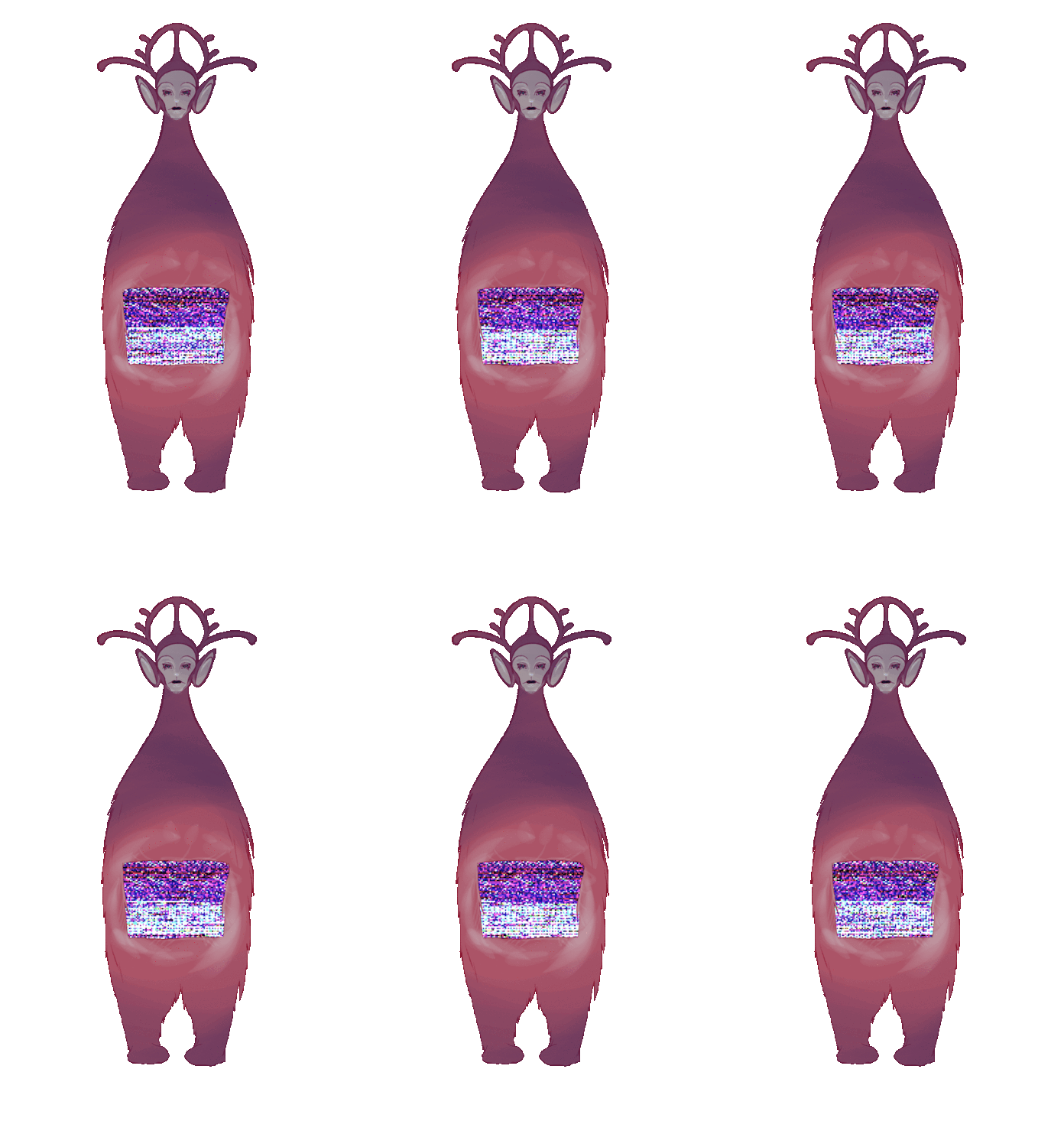
The adult Teletubbies have more branching, complex antlers and shaggy coats. They are less brightly coloured. They are terrifyingly large. Their strangely human faces, emerging from the thick fur, are unquestionably adult; remote, serene, reproachful. Their television screens are glitchy, esoteric and unknowable. They are cryptids whose public exploitation has undermined their rarity and their strange, alien dignity.
In my dream my feelings of awe and peace turned to great sadness at the fate of the captive toddler Teletubbies. I realised that I had to be the scientist who brought this discovery to the world and raised awareness of their plight. And I also questioned: are Teletubbies like axolotls? Do they exhibit neoteny? (Axolotls, the cute aquarium pets with flaring gills, are actually juveniles of an amphibious species – if given the right conditions they’ll grow up into land-dwelling black newts. But they can breed in their aquatic juvenile form, and most spend their whole lives in this form. Deprived of their wild potential, will the Teletubbies ever mature? Or are they merely experiencing a long childhood, natural for a species that is unimaginably long-lived?)
So in my dream my husband came out onto the back deck and I began to share these discoveries with him and before I could even bring up the axolotls he just said “what the fucking fuck” and went away again.
I woke up disgruntled and unable to capture the feeling of peace and sadness. I then tried to explain this to my husband in the waking world, and he said “what the fucking fuck” and walked away before I even got to the explanation of the Teletubbies being toddlers, which just goes to show that you never know someone as well as you think you do.
Anyway I’m sure you guys will join me in this knowledge. And also I’ve googled it and apparently the Teletubbies reboot features infant Teletubbies, so clearly they are getting more from somewhere and the time to question this is NOW
I have a personal theory that how a dream makes you feel is more meaningful than the content.
What I got from your dream was a sense of wonder and privilege (the good kind), followed by the need to bear witness and advocate for the cryptids. Topped off with a disturbingly accurate example of the attitudes you’d face.
(staring nobly into the distance) yes. yes, you understand. you understand.
I’m so sorry but this is what came to mind and so this is what I drew
Holy
Thank you so much for sharing that dream, it was EXACTLY what I needed to stop feeling like shit. Now I, too, am honored by the knowledge of adult teletubbies.
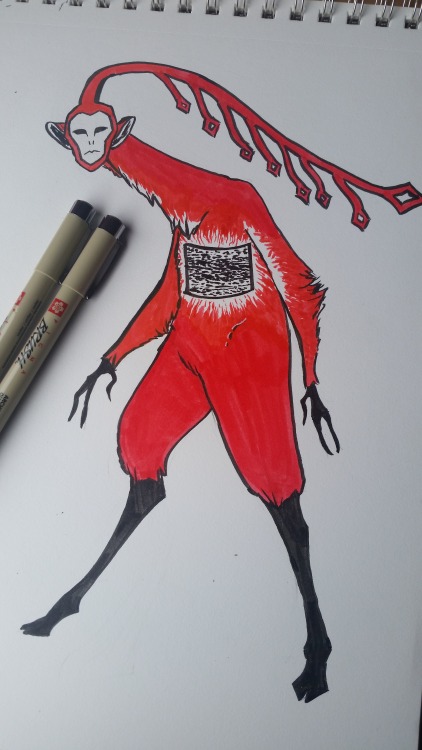
Here’s my take on this lovely cryptid.
WHOA I’m sorry I missed this. this is magnificent. the feet and hands are really spooky. it definitely fills me with the Fear.
So I spent the last few hours drawing and animating this and I cannot believe I did so enjoy I’m gonna pass out and probably deal with similar dreams now
Here is my new illustration, this time is not a eurovision artist. I hope you like it @melissabenoist 💕 I can’t wait to see the final season of supergirl!
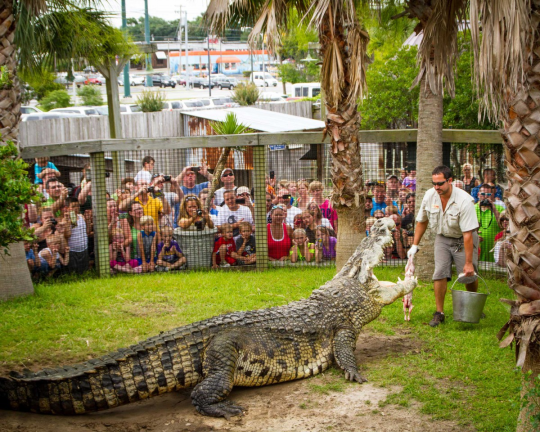
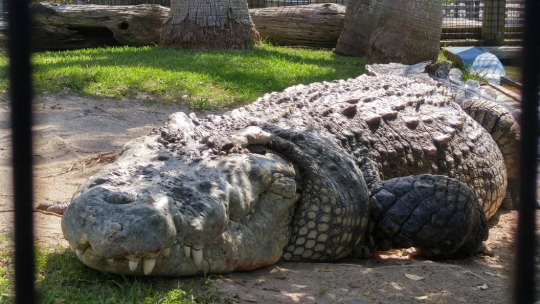
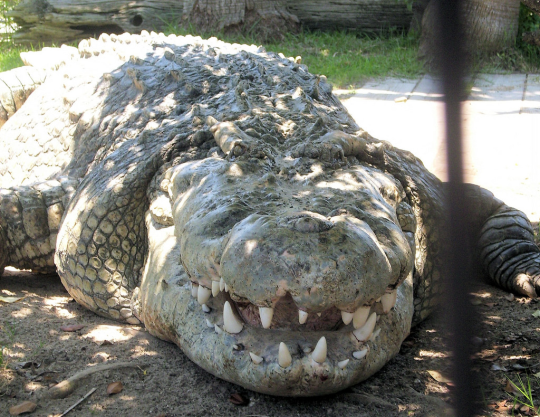
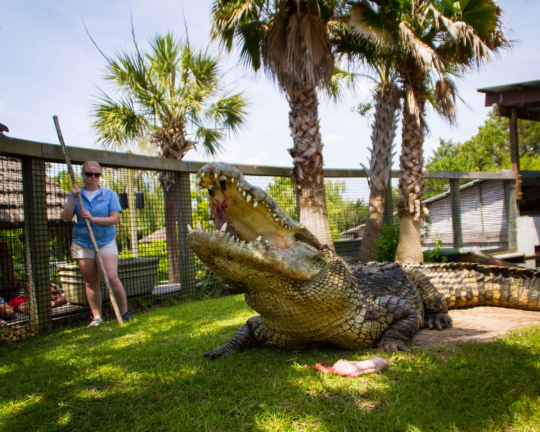
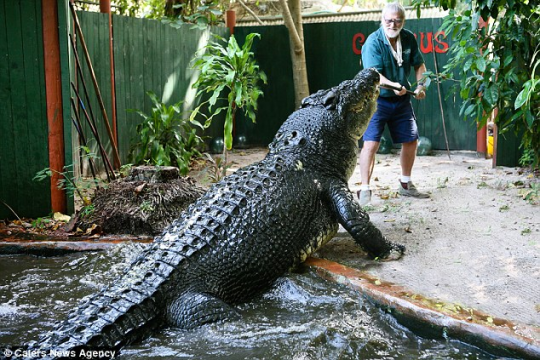
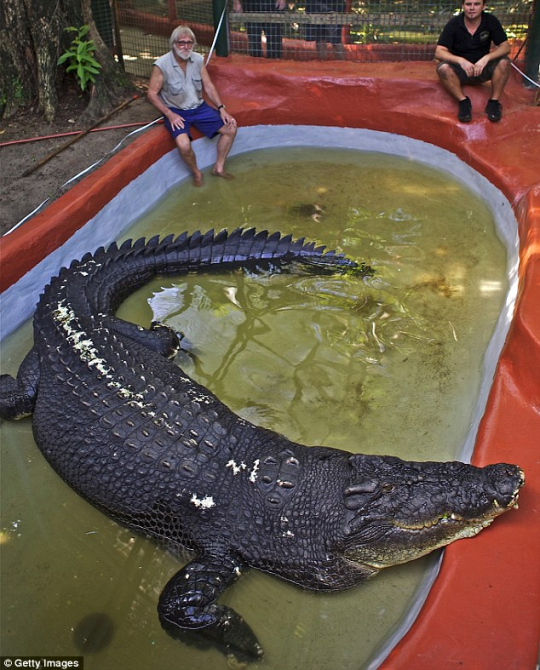
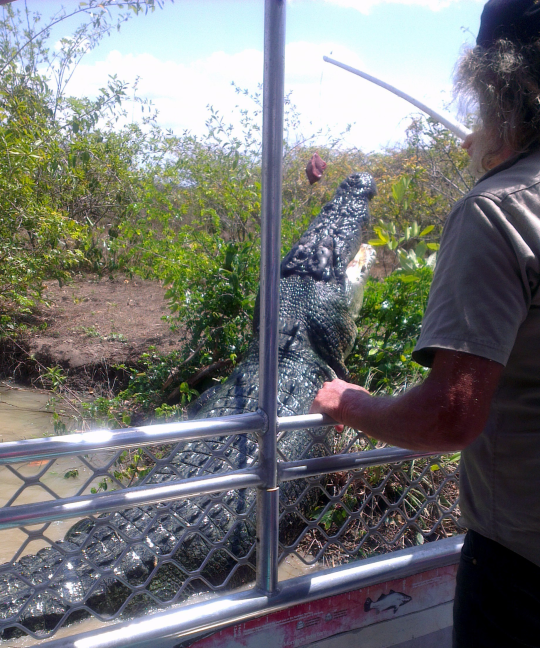
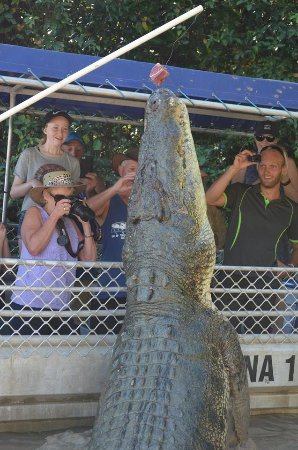
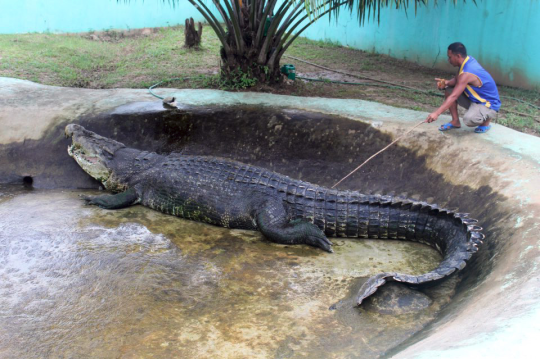
I can’t stop thinking about crocodiles for some reason so here’s some cool pictures I found of probably the second largest one in captivity, his name is Utan:
isn’t he beautiful
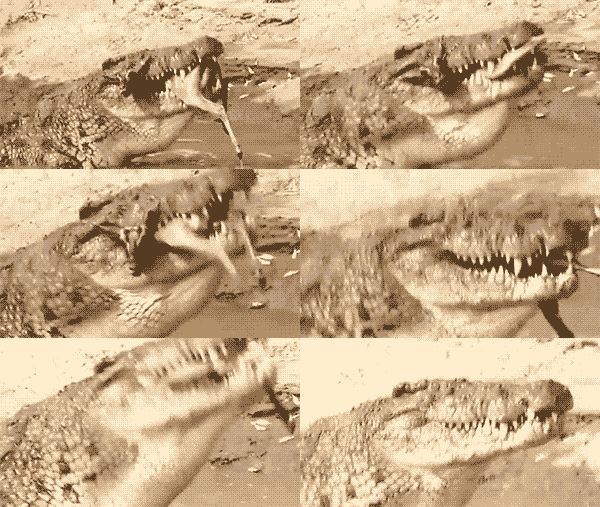
listen to the SOUND when he bites
and that’s not even a real power bite, that’s mostly just heavy bone falling on heavy bone from his jaws and the air rushing out from between them
2000 pounds of Good Boy
you get me
I honestly expected like 5 notes, what HAPPENED here
More tags on this ridiculous post:
Wait, thats the 2nd biggest crocodile? Then what does the biggest one look like?
That would be Cassius, a very old Saltwater crocodile who is estimated to be around 114 years old and lives at Marineland Melanesia in Green Island, Australia. His official measurement is 5.48 meters, which makes him the largest in captivity currently. Because Utan is only slightly smaller and much younger, (only in his 50s), he will likely break Cassius’ record eventually. But for now, Cassius holds the title:
He is NOT, however, either the largest crocodile ever captured in Australia OR the largest ever in captivity.
A slightly larger crocodile has been reported (though not yet comfirmed) to have been captured at 5.58 meters.
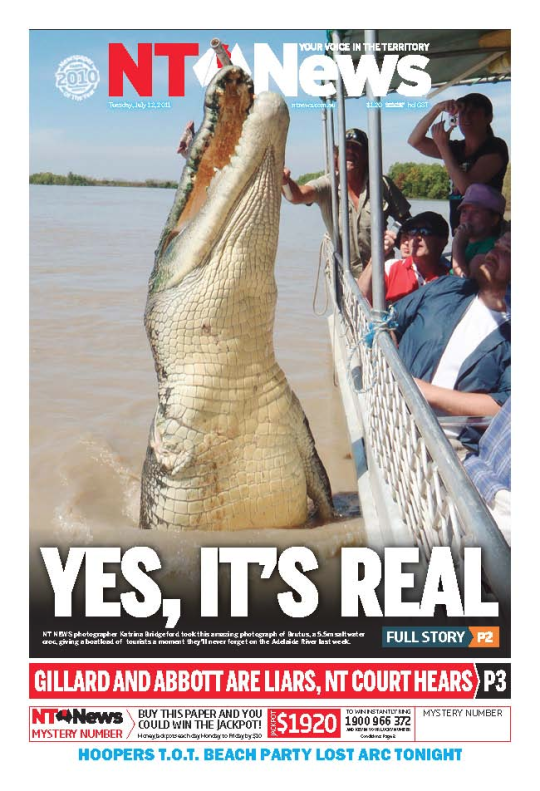
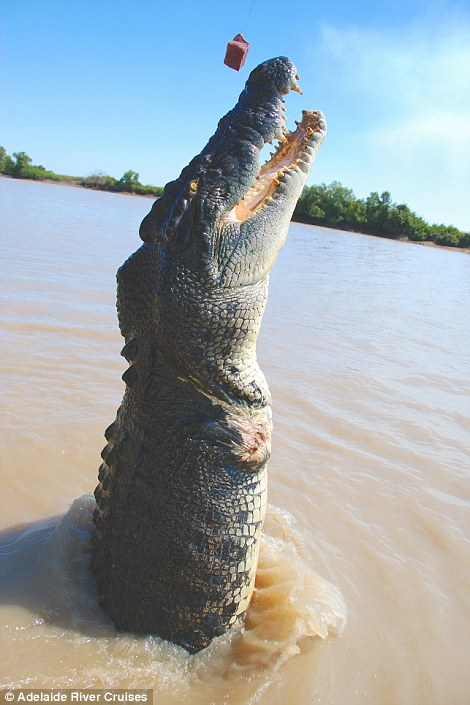
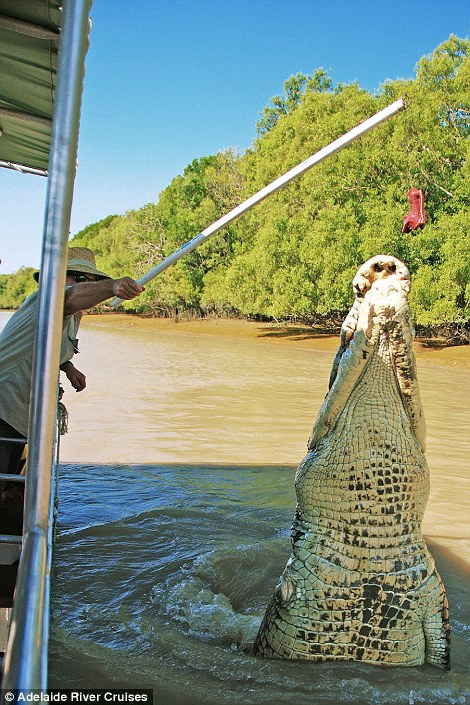
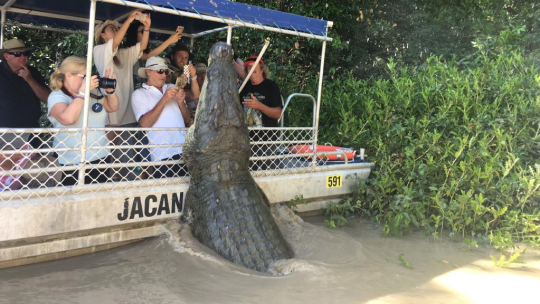
And while the famous Brutus of the Adelaide River was estimated to be just slightly larger than Cassius at 5.5m, he was driven out of his territory by a younger and even larger crocodile, who as a result has been given the name, The Dominator. He is estimated to be just over 6m.
This is Brutus, with an appropriate caption:
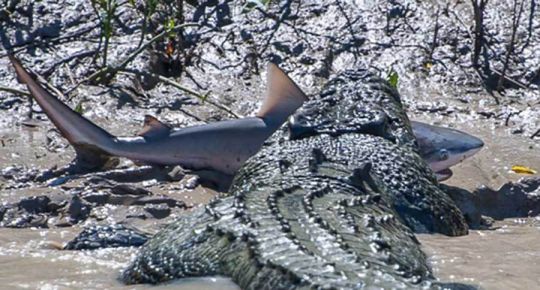
It is believed that he lost that arm in a fight with a Bull Shark.
The Bull Shark lost.
THIS is the crocodile who kicked him out. The Dominator:
And that’s STILL not the biggest.
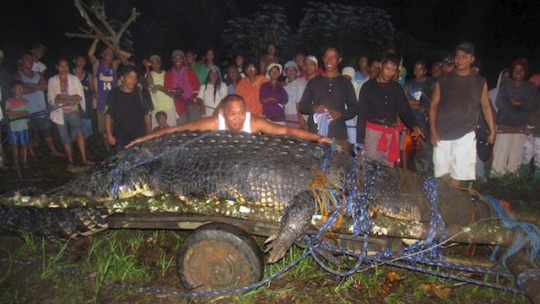
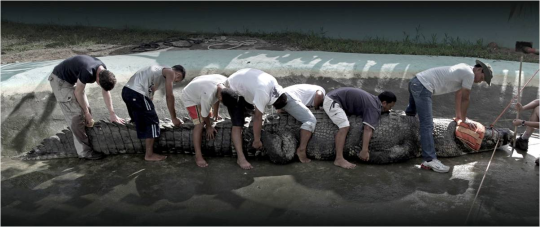
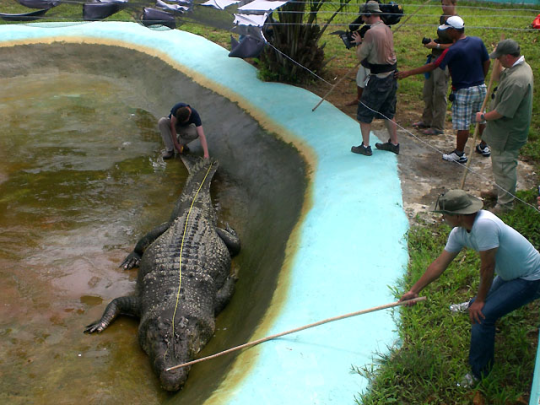
The largest living crocodile ever reliably measured was Lolong, who for the 1.5 years between his capture and his death was the largest crocodile ever held in captivity, at a whopping 6.17 meters (20 feet 3 inches) and 1075 kg (2,370 lbs). He had been feeding on both humans and very large livestock in the Bunawan creek in Agusan del Sur in the Philippines. It took 100 people all night to drag him to shore during his capture.
And here’s why:
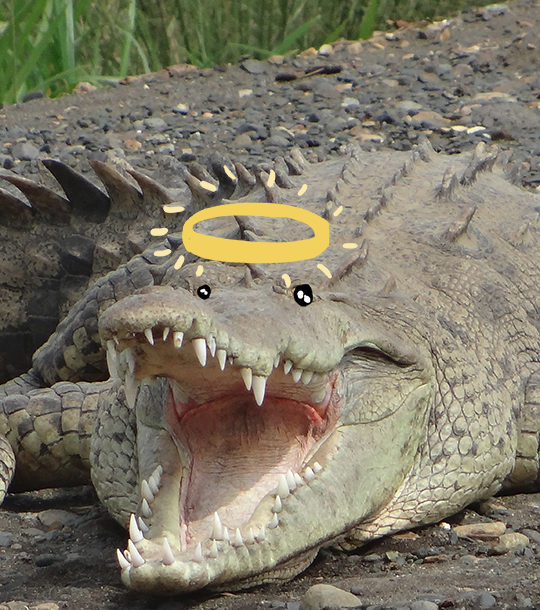
Also, to prevent credit from getting buried on a separate reblog, I have been informed that the above image of the crocodile with the cartoon eyes and halo was made by @rashkah! (And it is wonderful and I would like to thank him for its existence, because it perfectly captures my feelings about terrifying giant primordial reptiles.)
As far as Brutus is concerned I was led to believe that he lost that arm when relatively young.
Since then Brutus developed a habit of hunting and eating Bull Sharks.
Here’s him with a prey.
And if you thought that you’ll be safe if you just stay out of Australia then think again!
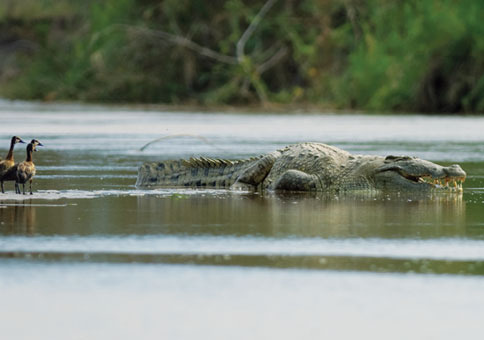
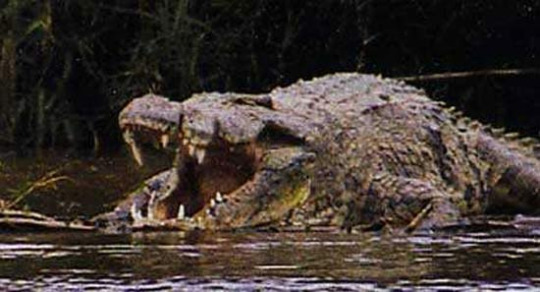
Meet Gustave the Nile Croc.
This crocodile became almost legendary for both it’s size and the habit of hunting both livestock AND humans.
So how big is Gustave?
No one is sure. Since he was NEVER captured.
His estimated size is of at least 5,5m but some give him over 6m.
The terrifying parts are:
1) He is still growing having only about 60 years.
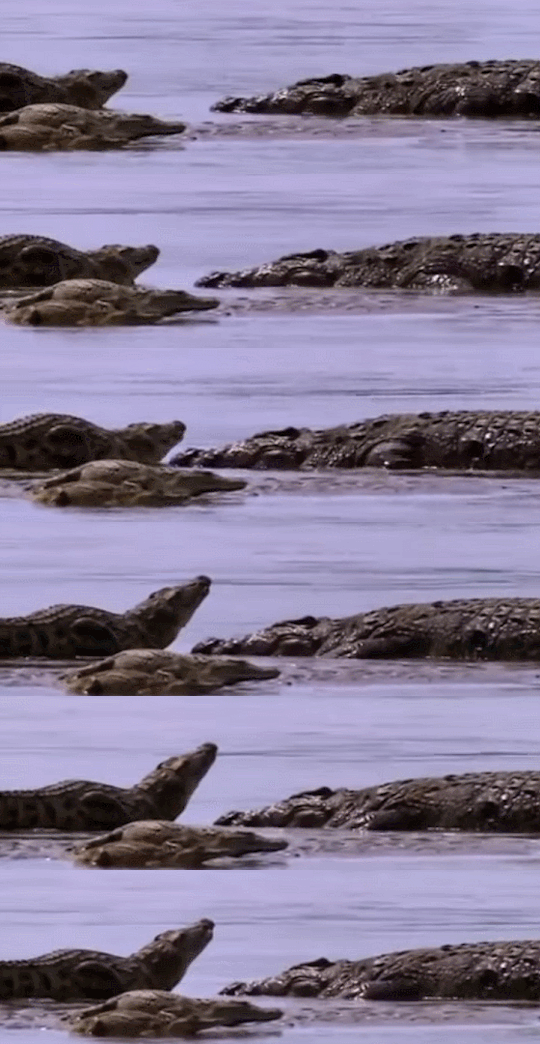
2) Adult crocodiles often perform a gesture of submission to him – something usually done by young crocodiles toward adults – Gustave is just THAT BIG.
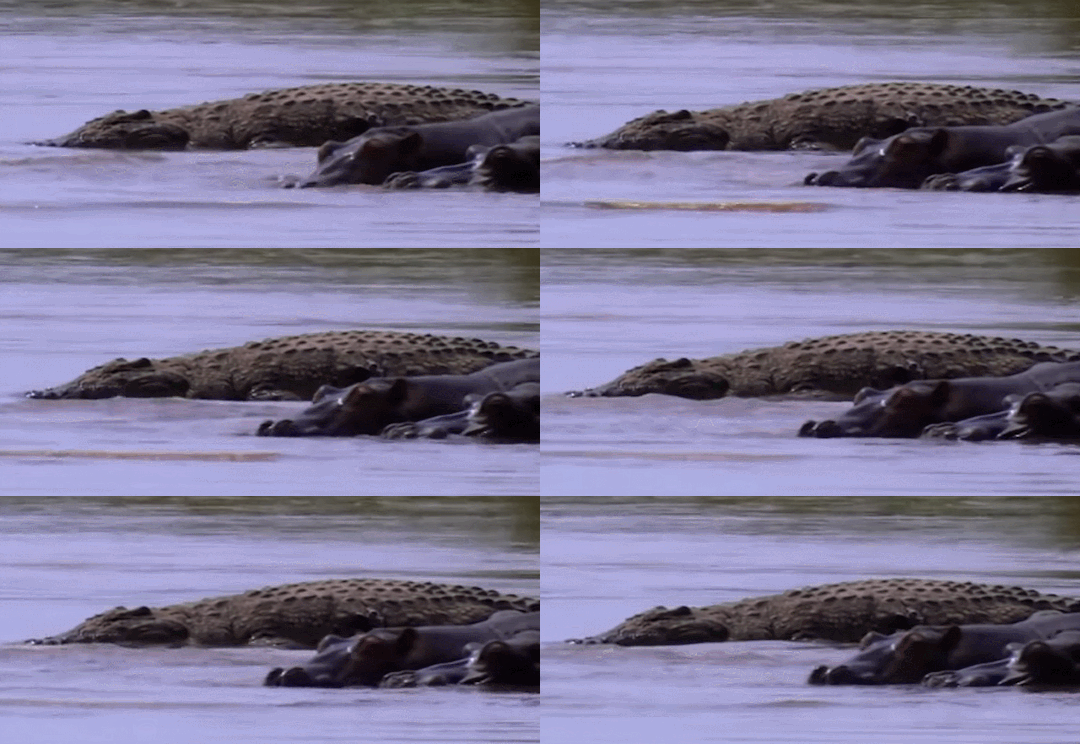
3) His sheer size makes it difficult for him to catch agile prey Nile crocs tend to feed on – hence why he developed a habit of hunting either larger prey like Hippopotamus or creatures which are not good at spotting danger in the first place like livestock and humans.
And this is NOT ALL.
Gustave actually has a noticeable scars on his body – he was shot at east 3 times and stabbed with a spear or something similar at one occasion.
He lived to tell the tale – my question is:
What happened to that one dude who attacked Gustave with a spear?
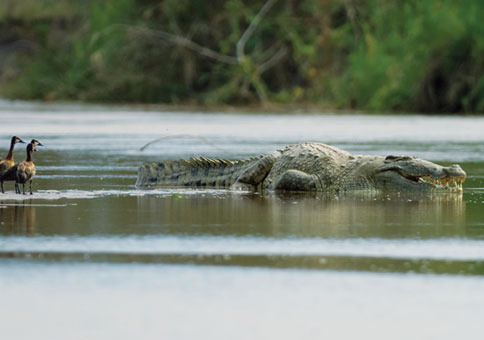
*Crocodile Dundee voice* Mate, that’s not Gustave:
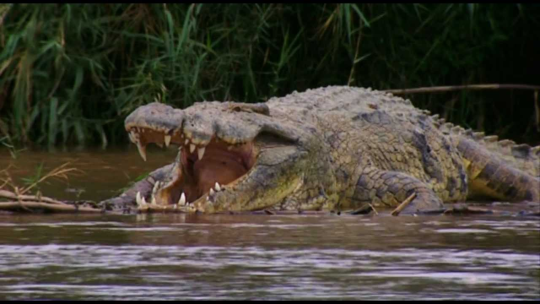
THIS is Gustave:
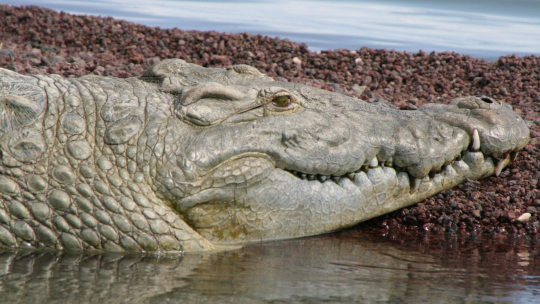
And he is the PERFECT CROCODILE. He is the perfect example of what I mean when I talk about (as I do) how the morphology of extremely large crocodiles adapts to the changing physics of their bite.
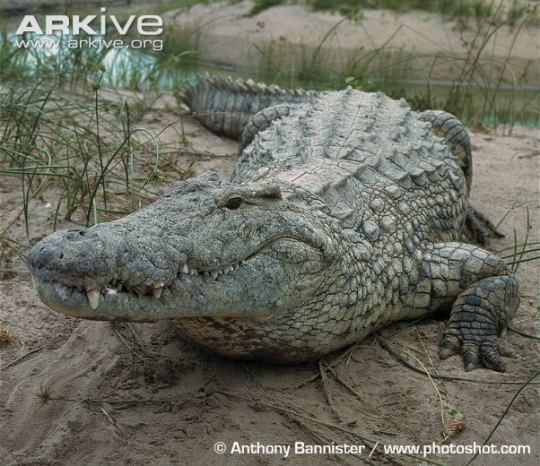
This is a typical adult Nile Crocodile:
And THIS is a god among his kind:
This is it, folks. The Final Form. THIS is what peak performance looks like.
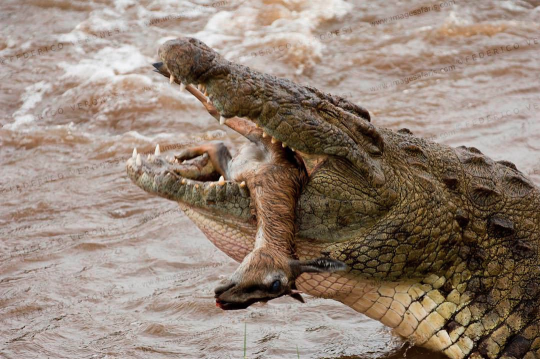
Crocodiles and physics have an interesting relationship. Crocodiles have, by a CONSIDERABLE MARGIN, the strongest bite of any animal on Earth. EVER. Scaled up estimates (based on Nile and Saltwater crocodiles) give the extinct Deinosuchus an estimated bite force MORE THAN DOUBLE the recently updated Tyrannosaurus bite estimates. Living crocodiles have bite forces measured in the range of 5000 pounds per square inch, for an individual around 15-16 feet. It is estimated that modern crocodiles in the range of 18-20 feet would have bit forces around 7-8000 psi or more.
That’s a problem.
Because a crocodile’s skull is only designed to handle so much pressure. Go beyond that limit and the force of impact when those jaws snap shut could literally shatter their own skulls.
But evolution has spent hundreds of millions of years perfecting crocodiles, so PHYSICS ISN’T GOING TO STOP THEM. What ends up happening in the skulls of these extremely large crocodiles is they will increase dramatically in mass to compensate for the increased forces. A crocodile’s skull is almost exclusively solid bone, with only minimal space for nasal passages, a surprisingly advanced brain, and some slightly porous looking framework that helps the bone distribute the force over a larger area. The effect is by far the most pronounced in Nile crocodiles, which most regularly feed on larger prey and need to make use of all that power.
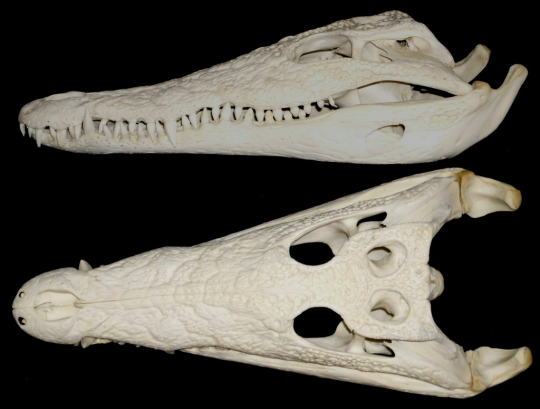
Compare, 26 inch skull:
vs 29 inch skull:
Both of those are Nile crocodile skulls (or rather, replicas thereof).
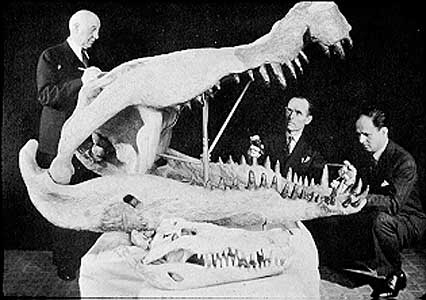
And just for fun, here are the skulls of completely different (and very extinct species), Deinosuchus:
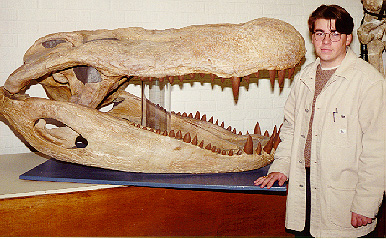
and Purussaurus:
The bigger the crocodile (within a given species), the more massive the skull needs to be to compensate for that UNBELIEVABLE bit pressure. This is one way to see from a distance whether you are looking at a normal sized crocodile:
and a truly extraordinary individual:
One of the things about Gustave that’s so impressive is how healthy his teeth look. A lot of large crocodiles, in their old age, have very worn down and often missing teeth. They do replace them many times over a lifetime, but when they get very old this slows down. Gustave, at least in every picture taken of him, had teeth that were in very good condition.
Even crocodiles much smaller than Gustave’s reported size (probably similar in size to Dominator or Lolong) tend to have smaller or more worn teeth:
than the pinnacle of his kind:
Lolong! It means Gramps or Grandpa, because he’s a relic of an ancient world where crocs more massive than he was walked the earth. His body is on display somewhere right now though I forgot where.
Every time I see this post there’s more crocodiles. It’s the gift that keeps on giving.







 Question of Smoke