Female cinematographers: Rachel Morrison Black Panther (2018) Directed by Ryan Coogler Aspect Ratio: 2.39 : 1
“If there’s anything consistent about my work it’s not flat. The criticism of Marvel movies whether it’s in the cinematography or in the Digital Intermediate is that sometimes sort of lack contrast and saturation. That certainly isn’t true of my work from the outset, so hopefully the look we’re presenting will hold through to the end. But I think in making something so big, if you take for example an exterior day scene that’s shot over 15, 20 days you’re not gonna have all sunny days so what happens at the end of shooting when it’s half sun and half cloud. The natural tendency is to lean into something in the middle, to kind of flatten out the contrast on the sunny day and maybe try to bump up the contrast on the cloudy day and find somewhere to meet in the middle. That was my biggest concern going in was that we don’t allow that to happen, so we would throw hard light at people on cloudy days just to kind of increase the contrast.” — Rachel Morrison
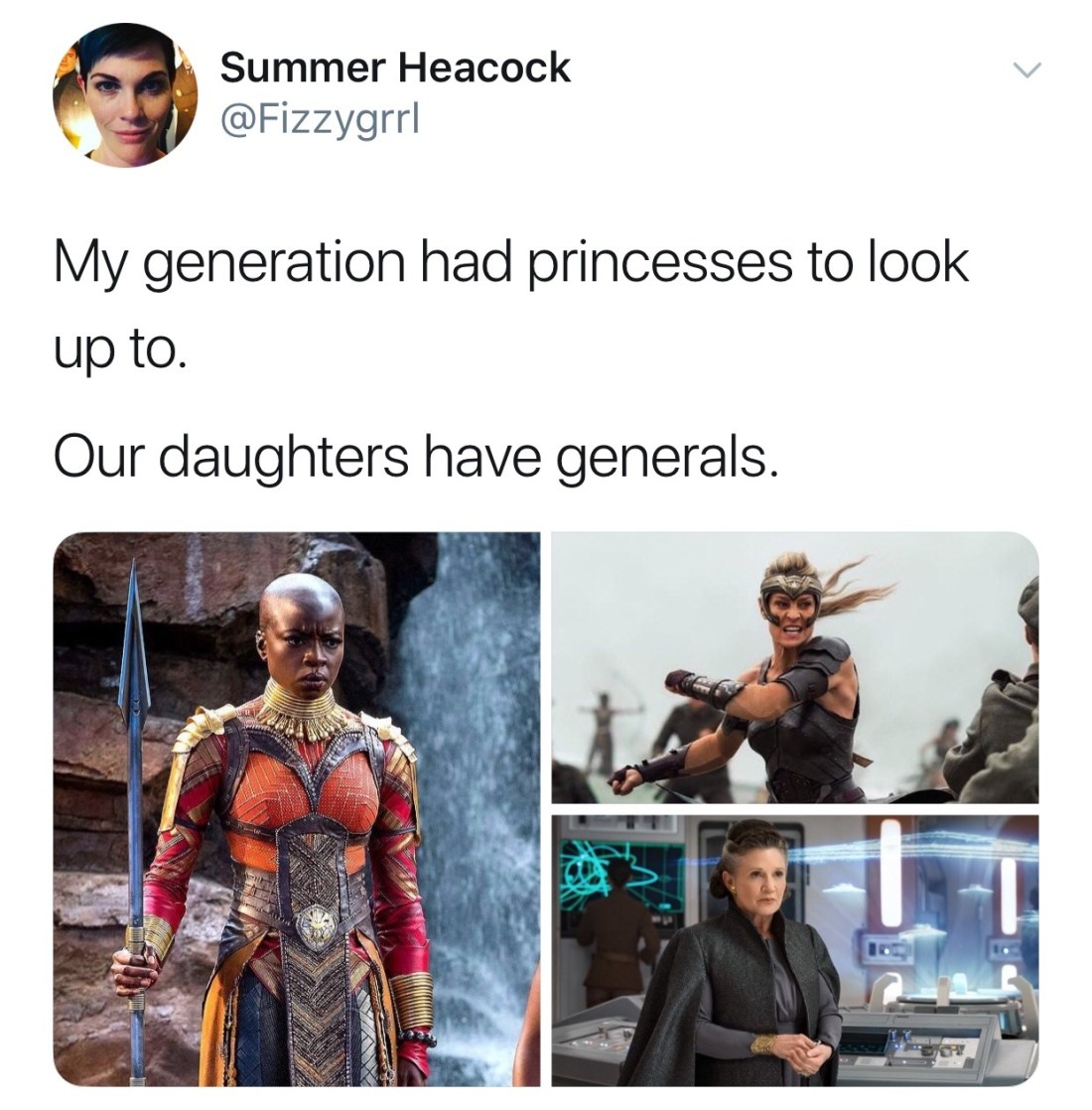
“Nakia and Okoye are allowed to be the full expressions of themselves, as women pursuing their passions while determining how their lives will unfold.
“Black Panther” offers a refreshing reprieve from the misogynistic media with which we are regularly bombarded by showcasing empowered women that are inspiring because of their contributions to their country and the way they show up in their own lives. Women who know that love does not keep you from your life purpose, romance does not come before your personal values and you are a better partner when you are in purposeful pursuit of your calling.”
The women of ‘Black Panther’ are empowered not just in politics and war, but also in love.
Ask who I am. You are Erik Stevens, an American Black Operative, a mercenary nicknamed Killmonger, that’s who you are. That’s not my name, Princess. Ask me, King.
 Question of Smoke